
- 47%
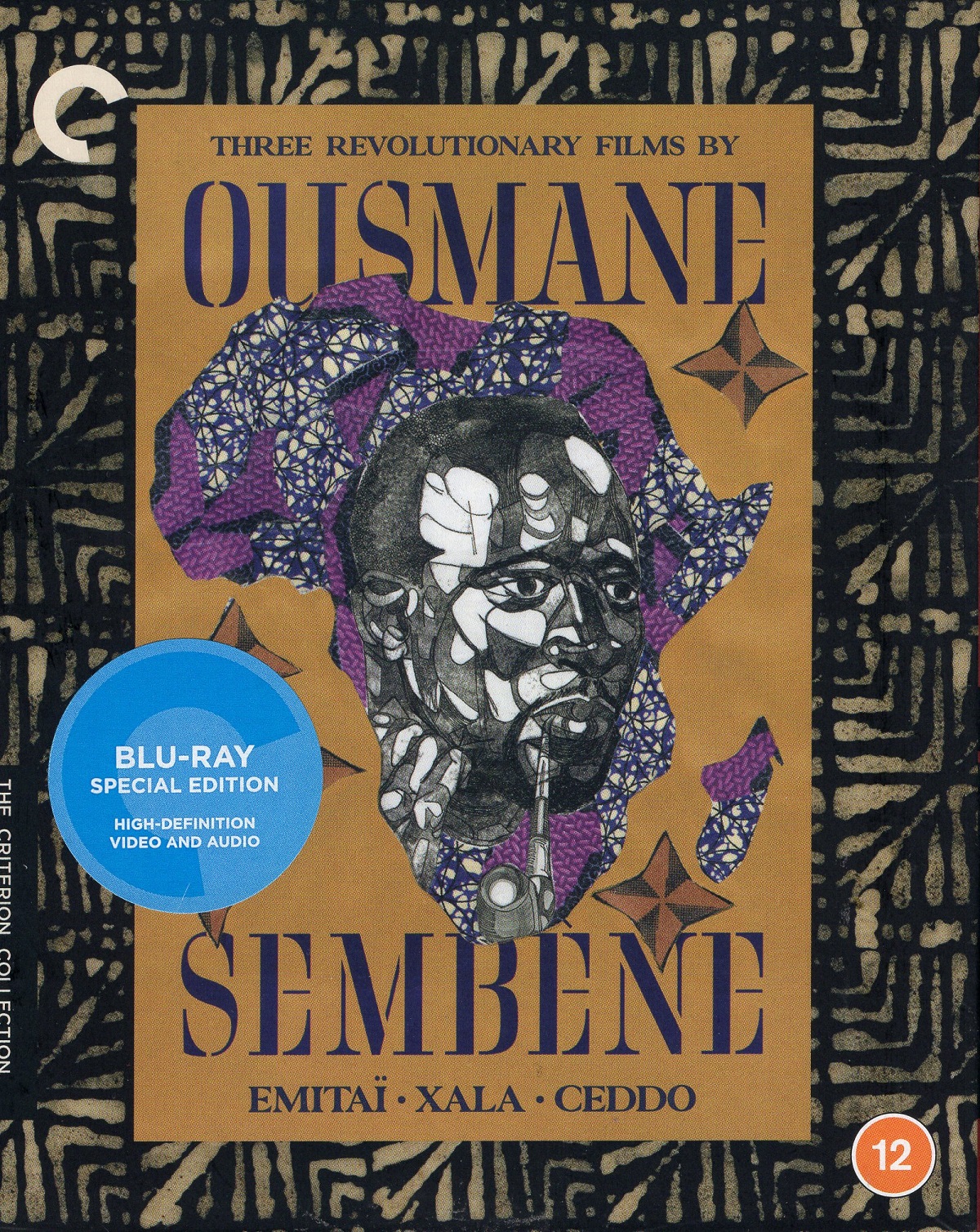
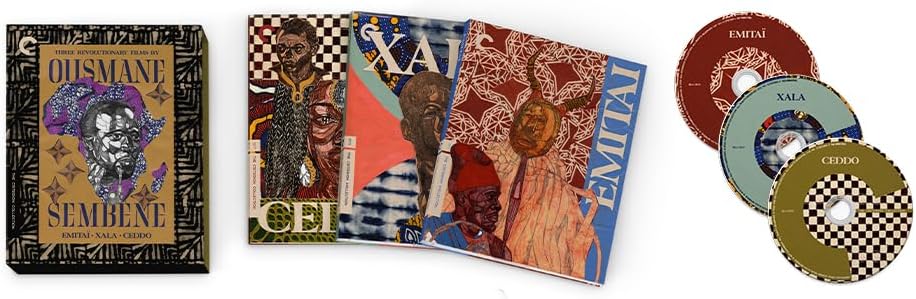
Three Revolutionary Films by Ousmane Sembène - Emiati / Xala / Ceddo (Criterion Collection) (ej svensk text) (Blu-Ray)
1 499 SEK799 SEK
Lägsta pris de senaste 30 dagarna1 499 SEK- Fri frakt vid köp över 1000 kr
- Svensk titelEmiati / Xala / Ceddo
- OriginaltitelEmiati / Xala / Ceddo
- SkådespelareOusmane Sembène
- RegissörOusmane Sembène
- Inspelningsår1971-1977
- Bildformat1080p High Definition Widescreen
- LjudLPCM Mono
- TextningEngelska
- GenreDrama, Komedi
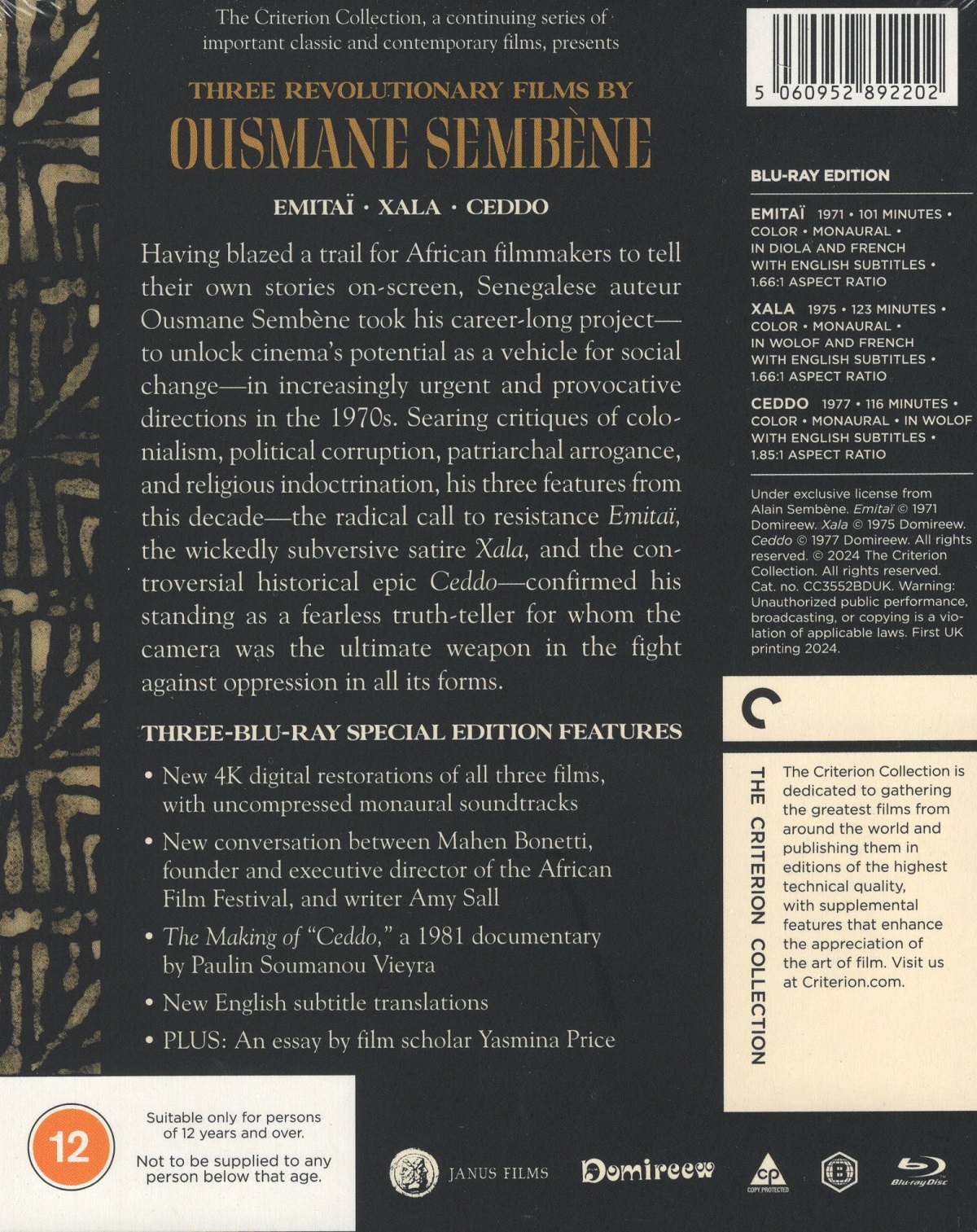
- Extramaterial- New 4K digital restorations of all three films, with uncompressed monaural soundtracks on the Blu-rays - New conversation between Mahen Bonetti, founder and executive director of the African Film Festival, and writer Amy Sall - The Making of “Ceddo,” a 1981 documentary by Paulin Soumanou Vieyra - New English subtitle translations - PLUS: An essay by film scholar Yasmina Price
- Releasedatum2024-06-07
- Åldersgräns15 år
- Antal skivor3
- Färg/svartvitFärg
- BolagCriterion Collection UK
- OmslagsspråkEngelska
- EAN5060952892202
- Artikelnr30998
Beskrivning
Art.nr: 30998
Having blazed a trail for African filmmakers to tell their own stories on-screen, Senegalese auteur Ousmane Sembène took his career-long project—to unlock cinema’s potential as a vehicle for social change—in increasingly urgent and provocative directions in the 1970s. Searing critiques of colonialism, political corruption, patriarchal arrogance, and religious indoctrination, his three features from this decade—the radical call to resistance Emitaï, the wickedly subversive satire Xala, and the controversial historical epic Ceddo—confirmed his standing as a fearless truth-teller for whom the camera was the ultimate weapon in the fight against oppression in all its forms.
Emitaï 1971
With revolutionary outrage, Ousmane Sembène chronicles a period during World War II when French colonial forces in Senegal conscripted young men of the Diola people and attempted to seize rice stores for soldiers back in Europe. As the tribe’s patriarchal leaders pray and make sacrifices to their gods, the women in the community refuse to yield their harvests, incurring the French army’s wrath. With a deep understanding of the oppressive forces that have shaped Senegalese history, Emitaï explores the strains that colonialism places upon cultural traditions and, in the process, discovers a people’s hidden reserves of rebellion and dignity.
Xala 1975
An adaptation of Ousmane Sembène’s own 1973 novel, Xala is a hilarious, caustic satire of political corruption under an inept patriarchy. On the night of his wedding to his third bride, government official El Hadji (Thierno Leye) is rendered impotent and begins to suspect that one of his other wives has placed a curse on him. After seeking a cure from a local marabout, El Hadji must face the possibility that he deserves the infliction for his part in embezzling public funds and for helping to keep Senegal under French control. Adeptly combining elements of African folklore and popular cinema, Sembène indicts the hubris, entitlement, and opportunism of male authority figures.
Ceddo 1977
In precolonial Senegal, members of the Ceddo (or “outsiders”) kidnap Princess Dior Yacine (Tabata Ndiaye) after her father, the king, pledges loyalty to an ascendant Islamic faction that plans to convert the entire clan to its faith. Attempts to recapture her fail, provoking further division and eventual war between the animistic Ceddo and the fundamentalist Muslims, with Christian missionaries and slave traders from Europe also playing a role in the conflict. Banned in Senegal upon its release, Ceddo is an ambitious, multilayered epic that explores the combustible tensions among ancient tradition, religious colonization, political expediency, and individual freedom.