
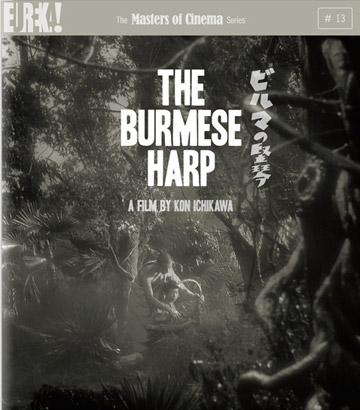
Burmese Harp (ej svensk text) (Blu-ray + DVD)
0 SEK
Drama från 1956 av Kon Ichikawa med Rentarô Mikuni och Shôji Yasui.
ARTIKELN HAR UTGÅTT
- Fri frakt vid köp över 1000 kr
- Svensk titelthe Burmese Harp
- OriginaltitelBiruma No Tategoto
- Alternativ titelMasters of Cinema #13
- SkådespelareRentarô Mikuni, Shôji Yasui, Tatsuya Mihashi
- RegissörKon Ichikawa
- Inspelningsår1956
- Bildformat1080p High Definition Fullscreen 1.37:1
- LjudDolby Digital 1.0
- SpråkJapanska, Engelska
- TextningEngelska
- Speltid1 tim 57 min
- GenreDrama, World Cinema
- Extramaterial- Exclusive video interview with scholar and filmmaker Tony Rayns - Original Japanese theatrical trailer - 40-page booklet with an essay by Keiko I. McDonald and rare archival stills
- Releasedatum2011-09-30
- Antal skivor2
- Färg/svartvitSvartvit
- BolagEureka Entertainment UK
- EAN5060000700527
- Artikelnr5060000700527
Beskrivning
Art.nr: 5060000700527
A rhapsodic celebration of song, a brutal condemnation of wartime mentality, and a lyrical statement of hope within darkness; even amongst the riches of 1950s’ Japanese cinema, THE BURMESE HARP [Biruma no tategoto], directed by Kon Ichikawa (Alone Across the Pacific, Tokyo Olympiad), stands as one of the finest achievements of its era.
At the close of World War II, a Japanese army regiment in Burma surrenders to the British. Private Mizushima is sent on a lone mission to persuade a trapped Japanese battalion to surrender also. When the outcome is a failure, he disguises himself in the robes of a Buddhist monk in hope of temporary anonymity as he journeys across the landscape – but he underestimates the power of his assumed role.
A visually extraordinary and deeply moving vision of horror, necessity, and redemption in the aftermath of war, Ichikawa’s breakthrough film is one of the great humanitarian affirmations of the cinema.